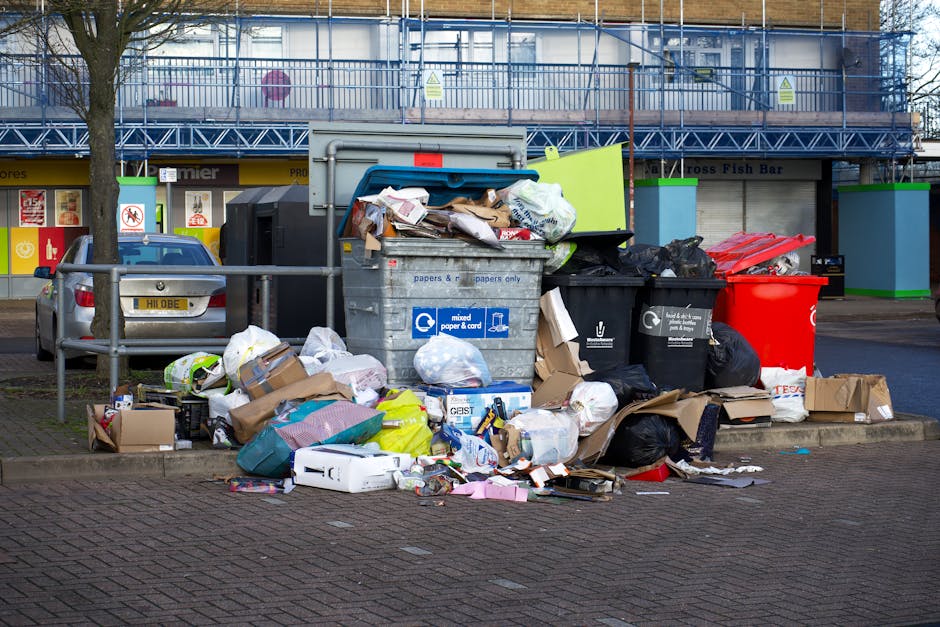
Harrow Council waste rules for carpet disposal and cleaning firms
If you handle carpets in Harrow for a living, waste is never just "leftover stuff". It is part of the job, part of the risk, and part of the customer experience. Harrow Council waste rules for carpet disposal and cleaning firms affect how old carpets, underlay, offcuts, packaging, dirty water, and contaminated materials should be managed. Get it wrong and you can create avoidable costs, delays, complaints, and maybe a headache you really did not need on a busy Friday afternoon.
This guide breaks the topic down in plain English. You will see what matters, how disposal usually works in practice, where firms often slip up, and what a sensible cleaning business should build into everyday operations. A few details will depend on the exact waste stream and the customer site, of course, but the overall picture is straightforward once you map it out properly.
- Why Harrow Council waste rules matter
- How the disposal process works
- Key benefits and practical advantages
- Who this is for and when it makes sense
- Step-by-step guidance
- Expert tips for better results
- Common mistakes to avoid
- Tools, resources and recommendations
- Law, compliance, standards and best practice
- Options, methods, or comparison table
- Case study or real-world example
- Practical checklist
- Conclusion
- Frequently asked questions
Why Harrow Council waste rules for carpet disposal and cleaning firms Matters
For cleaning firms, carpet disposal is not only a disposal question. It touches on duty of care, site safety, customer trust, and how smoothly a job runs from start to finish. Even a small domestic uplift can produce bulky waste that needs planning. A commercial clearance can generate far more: worn carpet tiles, underlay, adhesive residue, skirting dust, packaging, and sometimes contaminated material that should not simply be bundled and forgotten.
In Harrow, the key point is simple: once a carpet comes off the floor, it becomes waste. That means it needs to be handled in a way that fits local collection expectations and wider UK waste principles. The council's rules are there to keep streets clear, reduce fly-tipping, and stop unsuitable items from ending up in the wrong stream. For a business, the practical upside is better organisation. Less mess, fewer disputes, more predictable jobs. Nice and boring, which is exactly what you want in waste handling.
There is also a reputational angle. A client who sees carpet scraps dumped in a hallway, a vehicle overloaded, or a wet pile left outside a property at 8am will not feel reassured. They may not know the terminology, but they notice sloppiness instantly. Truth be told, waste handling is one of those quiet signals that tells customers whether a company is professional or just winging it.
If your work overlaps with commercial carpet cleaning, the stakes are even higher because offices, schools, landlords, and managing agents often expect tighter scheduling and cleaner handover standards. And if your team also handles carpet cleaning, waste control should sit right alongside stain treatment and drying times, not as an afterthought.
How Harrow Council waste rules for carpet disposal and cleaning firms Works
At a practical level, carpet waste handling usually follows a few simple steps. First, identify the type of waste. A removed carpet roll is bulky waste. Small offcuts may be general waste if clean and acceptable, but large volumes are different. Underlay may be recyclable in some situations, but it is not automatic. If anything is contaminated with heavy soil, adhesives, pet waste, bodily fluids, or chemicals, it needs a more careful decision.
Second, separate the streams as early as possible. This is where a lot of firms save time without really trying. Keep carpet, underlay, packaging, and cleaning residues apart. If you mix everything together, the whole load often becomes harder to process and more expensive to remove. Not glamorous, but very practical.
Third, arrange legal removal through the right route. In many cases, that means using an authorised waste carrier or a council-approved collection method if one applies to your circumstances. The main idea is that the business producing the waste remains responsible for it until it reaches an appropriate disposal or recovery facility. That responsibility does not vanish just because someone else collected it from the kerb.
Fourth, keep records. A cleaning firm does not need to turn waste paperwork into theatre, but you do need to know who collected what, when, and where it went. If a customer later asks questions, or if an issue comes up, those records matter. You may also want them for internal quality control, especially if your team works across multiple sites in Harrow in one day.
One more thing. Wet carpets and cleaning residues are not the same as dry, inert waste. If a carpet has been steam cleaned and is still heavy with moisture, it can smell quickly, drip in transit, and complicate handling. If you offer steam carpet cleaning, drying and disposal planning should sit together. Otherwise the van can begin to smell like a damp hallway by mid-afternoon. Nobody wants that.
What usually counts as carpet waste?
Typical carpet-related waste includes old fitted carpet, carpet tiles, offcuts from fitting or trimming, damaged underlay, adhesive-backed residues, plastic wrapping, corner protectors, and sometimes heavily soiled padding. In some cases, items may be reusable, but only if they are clean, undamaged, and appropriate for another use. Once contamination enters the picture, reuse becomes far less sensible.
What usually needs extra caution?
Anything contaminated by urine, mould, pests, sewage, building dust from refurbishment, or chemical spillages deserves a more cautious approach. If the cleaning firm removes it from a property, it should be assessed before loading. A quick judgement call on site can save a lot of trouble later.
Key Benefits and Practical Advantages
Getting waste handling right is not only about avoiding problems. It also creates real operational benefits. For one thing, it keeps turnaround times tighter. If a team knows exactly how to bag, stack, and separate waste, the end of a job becomes smoother. You spend less time hovering around the van wondering where a stack of carpet went. It's a small thing, but it adds up.
There is a customer-service benefit too. A clean departure matters. When the site is left tidy and the waste has been removed properly, customers tend to feel that the whole job was well run. That feeling is hard to fake, by the way. People know when a team has handled the messy bits with care.
Waste discipline can also reduce operating costs. If reusable materials are kept separate, if recycling opportunities are spotted, and if collection is planned rather than improvised, you can avoid some of the hidden costs that creep into poorly run jobs. Even one missed pickup can throw off a day's schedule.
For firms with a sustainability angle, the value is even clearer. Customers increasingly notice whether a provider talks about recycling, responsible disposal, and better material management. If you have a public-facing sustainability approach, it helps to align it with practical services like recycling and sustainability. That way the message matches the day-to-day reality.
| Approach | What it helps with | Typical downside if ignored |
|---|---|---|
| Separate carpet, underlay, and packaging | Cleaner disposal decisions and easier collection | Mixed waste becomes harder and more costly to manage |
| Use authorised removal routes | Better compliance and less legal risk | Fly-tipping concerns or missed duty-of-care steps |
| Plan waste before the job starts | Faster clearance and fewer delays | Cluttered exits, extra labour, awkward handovers |
| Keep simple records | Traceability and smoother issue resolution | Harder to prove what was removed and when |
Who This Is For and When It Makes Sense
This topic matters to several groups, and not just the obvious ones. Carpet cleaning companies need it because they regularly deal with uplifted material, contamination risk, and client expectations around leaving a site tidy. Commercial firms need it because larger sites often involve multiple waste types and stricter access rules. Landlords and letting agents need it because end-of-tenancy jobs can turn into a sudden pile of bulky waste if the previous occupier left damaged flooring behind.
It also matters to sole traders, mobile teams, and subcontractors. Smaller firms sometimes assume the rules only bite at large volumes. They do not. Waste responsibility applies even when the job is tiny, and the same basic principles still hold.
For customers, the issue matters when they are comparing providers. A company that knows how to handle uplifted carpet, disposal paperwork, and site cleanliness usually looks more credible than one that just quotes a low price and hopes for the best. Let's face it, the cheapest option can become the expensive one once waste starts causing complications.
If your business also offers delicate fabric care, waste awareness can overlap with other services too. For example, a team doing upholstery cleaning or rug cleaning may need to isolate heavily soiled textiles from ordinary waste, particularly where staining, pet contamination, or odour treatment is involved.
Step-by-Step Guidance
Here is a practical way to handle carpet disposal work without making it complicated. This is the sort of routine that keeps jobs tidy and clients calm.
- Survey the waste before lifting. Look at the type of carpet, the area it came from, and whether there are contaminants, adhesives, or broken backing material.
- Separate the waste on site. Keep clean carpet, soiled carpet, underlay, and packaging apart if possible.
- Decide whether anything can be reused or recycled. Only do this when the material is clean, safe, and genuinely suitable. Don't force it.
- Bag or bind smaller items. Loose fibres, staples, and offcuts can make a van messy and unsafe.
- Load carefully. Heavy rolled carpet should be secured so it does not shift in transit.
- Use the correct disposal or collection route. Make sure the removal method fits the waste type and the council's local expectations.
- Record the movement of waste. Keep notes on what was taken, from where, and by whom.
- Leave the site clean. Sweep up grit, check for tack strips or staples, and remove any overlooked scraps.
A quick real-world note: on a wet Tuesday morning, a team can be tempted to load everything in one rush because the rain is coming in sideways and the day is already behind schedule. That is exactly when mistakes happen. A few extra minutes spent separating waste usually saves a lot more time later.
A simple on-site decision test
If you are unsure whether a carpet item is safe to mix with general waste, ask three questions: Is it clean? Is it dry? Is it free of contamination? If the answer to any of those is no, pause and reassess. That simple habit prevents plenty of avoidable problems.
Expert Tips for Better Results
Experience tends to reward the firms that keep things simple and consistent. One useful habit is to build a waste checklist into every job sheet. If your operatives know what they are checking before they leave site, you reduce the chance of forgotten strips, leftover adhesive pads, or scraps in a hallway.
Another good habit is to train staff to spot contamination early. A carpet from a family home with pets may require a very different handling approach from one lifted out of an office. If odour, damp, or staining is present, the waste stream changes quickly. Your pet stain and odour removal process, for example, may generate cleaning residues that should be bagged, contained, and disposed of separately.
Keep your vehicle layout sensible too. Put cleaner materials in one area, waste in another, and tools in a third. It sounds basic because it is basic, but basic systems are often the ones that hold up when the day turns busy. And busy days happen all the time.
If you quote for removal as part of a wider cleaning or restoration package, make sure the customer understands what is included. Disposal is one of those tasks people assume is "obviously part of it" until the invoice arrives. Clear terms avoid awkward conversations later. A firm set of terms and conditions helps a lot here, as does transparent pricing and quotes.
Also, do not underestimate the value of a calm final walk-through. You can spot a missing edge strip, a nail, a loose clip, or a damp patch by slowing down for thirty seconds. That tiny pause is often where good service lives.
Common Mistakes to Avoid
The most common error is mixing everything together because it feels faster. It rarely is. Mixed waste is harder to sort, may be refused, and can create more labour down the line.
Another frequent mistake is assuming that carpet waste is harmless just because it is not food or hazardous chemicals. Old carpet can still carry dust, allergens, pests, mould, or moisture. If you store it badly, it can become a nuisance very quickly. One whiff on a warm van floor and the mood changes. Fast.
Some firms also forget that small jobs still need control. A couple of hallway runners can create a service issue if they are left leaning against a wall outside a property. That looks untidy and can be seen as fly-tipping or poor site practice, depending on the circumstances.
Here are the mistakes worth watching most closely:
- Loading damp carpet without protection
- Failing to separate underlay from carpet where practical
- Leaving staples, tack strips, and sharp debris behind
- Using unclear disposal arrangements with customers
- Ignoring contaminated textiles or odorous materials
- Not keeping a basic record of removal
A slightly awkward truth: a lot of waste problems start with optimism. "We'll sort it later." Later rarely arrives in a helpful mood.
Tools, Resources and Recommendations
You do not need a complicated system to get this right. In fact, the best tools are often the simplest ones.
- Colour-coded bags or straps for sorting items on site
- Heavy-duty protective sheets to keep vans clean and reduce cross-contamination
- Basic job sheets that include waste notes, removal details, and contamination flags
- Hand brushes and compact sweep kits for final clear-downs
- Labels or markers to distinguish carpet, underlay, and mixed debris
- Simple digital records for keeping job history and disposal notes in one place
On the service side, it helps to use a provider that already thinks about safe handling, customer protection, and clear business processes. Pages such as health and safety policy, insurance and safety, and about us can signal how seriously a firm treats risk and professionalism. That kind of trust signal matters more than people admit.
If you are comparing providers for a property or business site, it may also help to look at whether the company offers commercial carpet cleaning and related fabric care services, because firms that work across multiple soft-furnishing categories often develop better handling routines overall.
Law, Compliance, Standards, or Best Practice
This is the section where people often want a simple yes-or-no answer, but waste compliance is usually a mix of legal duty and practical best practice. In the UK, businesses have responsibilities around waste storage, transfer, and lawful disposal. The exact obligations can depend on the waste type, the volume, whether anything is contaminated, and who is collecting it. That is why it is sensible to treat carpet disposal as a managed business process rather than an informal favour.
For a cleaning firm, the safest approach is to follow the core principles: keep waste appropriately contained, transfer it only through legitimate channels, and avoid anything that could reasonably be viewed as careless dumping. If a load includes potentially contaminated materials, be extra cautious and treat the item conservatively. When in doubt, err on the side of safer handling. That is the boring answer, but the right one.
Standards in this space are often about evidence and consistency rather than ceremony. A good firm can usually show:
- how waste is separated
- how it is stored before removal
- who is responsible for transport
- what records are kept
- how customer sites are left after completion
If a business also has public-facing policies, those are useful trust signals too. A clear privacy policy, sensible payment and security page, and a transparent complaints procedure do not replace waste compliance, of course, but they do show the company is thinking about operational discipline in a broader sense.
One final compliance point: if your business handles a range of soft furnishings, it is wise to keep waste decision-making consistent across services. The same thinking that supports tidy carpet disposal can also help with sofa cleaning, curtain cleaning, mattress cleaning, and stain removal. Different materials, same need for care.
Options, Methods, or Comparison Table
There is no single perfect method for every job. The right choice depends on condition, volume, and contamination risk. Here is a practical comparison.
| Method | Best for | Pros | Watch-outs |
|---|---|---|---|
| Direct removal as bulky waste | Old carpets and large fitted sections | Simple, fast, suitable for most non-reusable items | Needs careful loading and legal disposal route |
| Separate recycling/recovery stream | Clean carpet, clean underlay, sorted materials | Potentially better sustainability and lower waste burden | Not all materials qualify, and contamination reduces options |
| Containment and special handling | Heavily soiled or contaminated waste | Safer for staff and sites | Requires stricter assessment and planning |
| Reuse or donation, where appropriate | Clean, intact, reusable carpet sections | Best environmental outcome if viable | Only works for very specific material conditions |
In simple terms, choose the lightest-touch option only when the material genuinely qualifies for it. Otherwise, use the most reliable disposal route. The job is not won by being clever; it is won by being consistent.
Case Study or Real-World Example
Imagine a small office refurbishment in Harrow. The cleaning contractor arrives after the fit-out team has lifted the old carpet tiles from a reception area and a couple of meeting rooms. There is dust, tape residue, and a fair amount of loose backing. Nothing dramatic, but enough to create a messy end-of-job situation if nobody plans ahead.
The contractor checks the waste before loading. Clean packaging goes into one bag. Carpet tiles are stacked separately. The underlay fragments are grouped and assessed for recovery. Wet cleaning cloths and residue from the final wipe-down are kept away from the carpet waste. The van stays organised. The client walks through the rooms afterwards and sees a clean floor edge, no debris in the corners, and no random bits left by the lift doors. That is the sort of thing people remember.
Now change one detail. The tiles had been exposed to leak damage and carried a faint damp smell. In that case, the team would probably treat the waste more cautiously, because moisture and contamination can change storage and handling needs very quickly. Same site, same basic process, slightly different decision. That is the real world of waste handling: not complicated, just situational.
And yes, sometimes the job is less elegant than the brochure version. A carpet cleaning van does not stay pristine forever. It is still a business, after all.
Practical Checklist
Use this before and after carpet removal work. It is short, but it covers the essentials.
- Have you identified the carpet type and condition?
- Have you checked for moisture, odour, pests, mould, or chemical contamination?
- Have you separated carpet, underlay, and packaging where practical?
- Are sharp items, staples, and tack strips accounted for?
- Is the waste stored safely before collection?
- Are the loading and transport arrangements suitable for the material?
- Do you know who is responsible for removal and disposal?
- Are there notes or records for the job file?
- Has the site been swept and left tidy?
- Has the customer been told what happened to the waste if they asked for it?
Practical summary: if the waste is clean, dry, and separated, your decisions are usually easier. If it is wet, mixed, or contaminated, slow down and treat it more carefully. That one habit solves a surprising number of problems.
For firms that want to present a reliable public image, it is also worth making sure customers can easily find relevant business information such as contact details and service expectations. Straightforward communication is part of good waste management too, even if it does not look like it at first glance.
Conclusion
Harrow Council waste rules for carpet disposal and cleaning firms are really about responsible handling, clear separation, and sensible removal. Once those basics are in place, everything becomes easier: jobs finish cleaner, customers feel looked after, and the business reduces avoidable risk. It is not flashy work, but it is the sort of detail that separates a dependable firm from a rushed one.
The best approach is simple. Plan waste before the job starts, keep materials separate, use the right disposal route, and document what happens. Do that consistently and you will spend less time firefighting and more time delivering the kind of clean handover that customers actually notice.
Get a free quote today and see how much you can save.
And if nothing else, your van will smell better at the end of the day. Which, to be fair, is no small victory.
Frequently Asked Questions
What are Harrow Council waste rules for carpet disposal and cleaning firms?
They are the local waste-handling expectations that affect how carpet, underlay, and related debris should be stored, separated, and removed. For businesses, the main concern is making sure waste is handled legally, safely, and without causing avoidable mess or fly-tipping concerns.
Can a carpet cleaning company leave old carpet outside for collection?
Usually not in an informal or careless way. Waste should be stored securely and removed through an appropriate route. Leaving bulky material outside without proper arrangement can create problems for neighbours, passers-by, and the business itself.
Do carpet offcuts count as general waste?
Sometimes they do, but not always. Clean offcuts may be treated differently from large removed carpets or contaminated pieces. The condition, volume, and contamination level all matter. When in doubt, treat them more cautiously.
What should cleaning firms do with wet carpet after steam cleaning?
Wet carpet needs careful handling because it can drip, smell, and become awkward to transport. It should be contained, loaded securely, and managed so it does not contaminate other materials or create a hygiene issue in the vehicle.
Is underlay handled the same way as carpet?
Not necessarily. Underlay can sometimes be separated for recycling or recovery, but it depends on the material and whether it has been contaminated. If it is heavily soiled or damp, the options narrow quickly.
Do carpet cleaning firms need records of waste disposal?
Yes, records are strongly advisable. They help with traceability, customer queries, and internal control. A simple note of what was removed, when, and by whom is often enough for day-to-day work.
What happens if a carpet is contaminated by pet waste or mould?
It should be treated more cautiously than ordinary dry waste. Contamination changes the handling and disposal decision, and it may affect whether the material can be reused or recycled. This is where careful assessment matters most.
How can a small cleaning firm stay compliant without overcomplicating things?
Keep a simple process: inspect, separate, contain, remove legally, and record the job. You do not need a huge system. You do need consistency. That is what keeps the business out of avoidable trouble.
Is carpet recycling always available in Harrow?
Not always. Recycling depends on the material, its condition, and the route available for collection or processing. Clean, separated material is more likely to have options than mixed or contaminated waste.
Why do customers care how carpet waste is handled?
Because it reflects on the whole service. A tidy, responsible finish makes the company look professional. People may not ask about disposal rules directly, but they notice the result: a clean site, no mess, and a job that feels properly managed.
What is the biggest mistake carpet cleaning firms make with waste?
The biggest mistake is usually mixing everything together and hoping it sorts itself out later. It rarely does. Mixed waste slows everything down and can increase cost, risk, and frustration.
Should carpet disposal be included in a cleaning quote?
If removal is part of the service, yes, it should be explained clearly. The quote should make it obvious what is included so the customer is not surprised later. Clear pricing is part of a trustworthy service.
What is the safest way to decide whether waste needs extra care?
Ask three questions: Is it clean? Is it dry? Is it uncontaminated? If the answer is no to any of those, slow down and handle it as a higher-risk item. That approach is simple, but it works.