Stain Removal in Everyday Life: Practical Methods, Smart Prevention, and Long-Lasting Results
Why Stain Removal Matters for Homes, Clothes, and Fabrics
Stain removal is one of those everyday skills that can save time, money, and frustration. Whether you are dealing with coffee on a shirt, grease on upholstery, ink on a desk, or wine on a tablecloth, knowing how to handle stains properly can make a major difference. The right stain removal approach does more than improve appearance; it helps extend the life of clothing, carpets, furniture, and other household materials.
Many people try to remove a mark quickly with soap or random cleaners, but stain removal works best when you understand the type of stain, the surface involved, and the safest treatment method. Different stains respond differently to water, enzymes, detergent, vinegar, baking soda, oxygen bleach, or specialized solutions. Using the wrong technique can set the stain deeper or damage the fabric.
In homes, businesses, and shared spaces, stain removal also supports hygiene and presentation. Clean fabrics and surfaces create a more welcoming environment, while untreated stains can become permanent eyesores. That is why effective stain removal is not only about appearance; it is about maintenance, care, and smart cleaning habits.
Understanding Stains Before You Treat Them
Successful stain removal starts with identifying the stain category. Most stains fall into a few broad groups, and each group needs a different response. Food stains, oil-based stains, protein stains, dye stains, and tannin stains all behave differently. For example, a coffee stain is often best handled with cold water and detergent, while a grease stain may require dish soap or a degreasing agent.
It also matters how long the stain has been sitting. Fresh stains are usually easier to remove because the particles have not yet bonded deeply with the fibers. Old or heat-set stains can be much more stubborn, especially after ironing, machine drying, or exposure to hot water. In stain removal, timing is often as important as the cleaning product itself.
Another important factor is the material. Cotton, polyester, silk, wool, leather, wood, and carpet fibers all react differently to cleaning solutions. A method that works well for a durable cotton towel may not be safe for a delicate blouse or upholstered chair. That is why stain removal should always begin with a quick check of the surface and stain type.
Common Types of Stains and How They Behave
Food and beverage stains are among the most common problems in stain removal. Coffee, tea, juice, tomato sauce, chocolate, and soda can leave visible marks, especially on light-colored fabrics. These stains often contain pigments and sugars that bond to fibers if they are not treated promptly.
Oil and grease stains are a different challenge. They repel water, which means plain rinsing usually is not enough. Cooking oil, salad dressing, makeup, lotion, and motor oil often require a detergent or absorbent powder to break the bond. The goal in stain removal is to lift the grease before it spreads further into the material.
Protein-based stains such as blood, sweat, milk, egg, and grass need careful treatment because heat can cause them to set. Cold water is usually safer for these stains. When handled correctly, stain removal for protein stains can be very effective without harming the fabric.
Dye stains from ink, markers, paint, colored drinks, or clothing transfers can be more difficult. They often require targeted products and patience. Some dye stains may need repeated stain removal attempts, while others may respond to alcohol-based solutions or oxygen-based cleaners.
Smart First Steps for Better Stain Removal
The first minute after a spill can determine the success of stain removal. Start by blotting the stain gently with a clean cloth or paper towel. Do not rub aggressively, because rubbing can push the stain deeper and spread it over a larger area. Blotting lifts excess liquid and reduces the amount that soaks into the fibers.
Next, identify whether the item is washable, delicate, or color-sensitive. Read care labels when available. For upholstery and carpets, test any solution on a hidden area first. This small step is one of the simplest ways to protect surfaces during stain removal and avoid discoloration.
If possible, treat the stain as soon as you notice it. Fresh stains generally respond to cool water, gentle detergent, or a stain pretreatment spray. Delaying treatment can make the cleaning process harder, especially when dealing with items that may later be exposed to heat. In practical stain removal, speed often leads to better results.
Useful tools to keep nearby
- Clean microfiber cloths
- Paper towels
- Soft-bristle brush
- Liquid laundry detergent
- Dish soap
- Baking soda
- White vinegar
- Hydrogen peroxide, when fabric-safe
- Enzyme cleaner for protein stains
Fabric Stain Removal: Clothing, Linens, and Delicates
Clothing is one of the most frequent areas where stain removal is needed. Shirts, dresses, uniforms, and bedding are exposed to food, sweat, makeup, and outdoor dirt every day. For washable fabrics, pre-treating with liquid detergent can be very effective. Apply the product directly to the stain, let it sit for several minutes, and then wash according to the care label.
For delicate fabrics, stain removal should be gentler. Silk, wool, satin, and lace can be damaged by harsh rubbing or strong chemicals. In these cases, spot testing is essential. A mild detergent solution or fabric-safe specialty cleaner is often the safest choice. Patience matters when cleaning delicate items because aggressive methods can cause more harm than the original stain.
White fabrics sometimes require extra care because stains are more visible. Oxygen-based bleach can help brighten washable whites without the harshness of chlorine bleach in many cases. However, stain removal products should always be matched to the material and used according to label instructions.
Fabric stain removal tips that work well
- Act quickly and blot the spill.
- Check the fabric label before cleaning.
- Test treatment on an unseen area.
- Use the mildest product that can do the job.
- Wash only after the stain has lifted as much as possible.
For persistent marks, repeat the stain removal process instead of rushing to use stronger chemicals. A second or third gentle treatment may be safer and more effective than one harsh attempt.
Stain Removal on Carpets, Rugs, and Upholstery
Carpets and upholstered furniture require a careful stain removal strategy because liquids can seep down into the padding. Start by blotting up as much of the spill as possible. For many common stains, a small amount of water mixed with mild dish soap can be enough. Work from the outside of the stain inward to prevent spreading.
For coffee, juice, and food spills on carpet, blotting and repeated rinsing are often effective. For grease, a dry absorbent material or carpet-safe degreaser may help lift the stain. Ink and dye stains may require specialized upholstery cleaners or professional attention if the mark is large or deeply embedded.
Do not soak carpets excessively, because too much moisture can lead to mold, odor, or backing damage. Stain removal on these surfaces should be controlled and measured. After treatment, dry the area thoroughly with ventilation or a fan.
Best practices for upholstered surfaces
- Blot, do not scrub
- Use only small amounts of cleaning solution
- Test in a hidden spot first
- Avoid overwetting cushions
- Allow complete drying before use
When stain removal does not work after a few careful attempts, it may be time to consider specialized cleaning equipment or professional treatment. Some upholstery fabrics are sensitive and can be permanently damaged by over-cleaning.
Kitchen Stain Removal for Counters, Appliances, and Surfaces
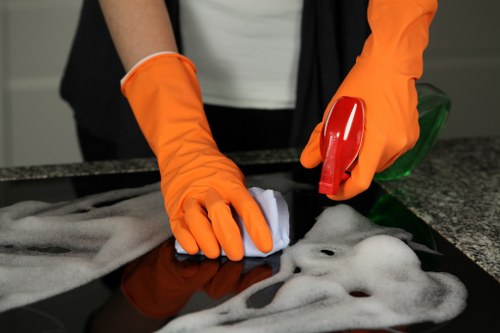
Kitchen surfaces are exposed to sauces, oil splatter, coffee drips, and food residue, which makes stain removal a routine part of keeping the space looking clean. Non-porous surfaces such as laminate, stainless steel, ceramic, and sealed stone are usually easier to treat than porous materials. A mild cleaning solution is often enough for everyday messes.
For grease spots on countertops or stovetops, dish soap is especially useful because it is designed to break down oils. For mineral buildup or discoloration, vinegar may help, but it should never be used on surfaces that are sensitive to acids, such as some natural stones. In stain removal, knowing what not to use is just as important as knowing what works.
Baking soda can be helpful as a gentle abrasive for certain surfaces, but it should be used with care to avoid scratching. Stain removal in the kitchen should be practical, surface-safe, and consistent. A regular cleaning habit can prevent stains from becoming baked on or difficult to remove later.
Kitchen stain removal reminders
- Wipe spills immediately after cooking or eating
- Use surface-safe products only
- Avoid abrasive pads on polished materials
- Dry the area after cleaning to prevent spots
Bathroom Stain Removal for Tile, Grout, and Fixtures
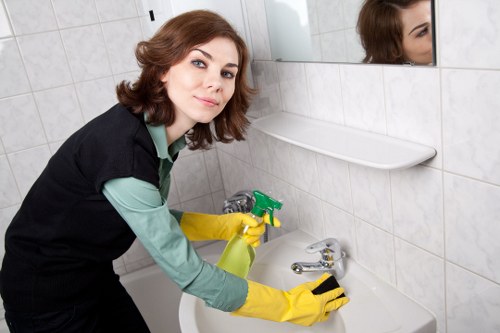
Bathrooms can develop water spots, soap scum, rust marks, mildew stains, and hard-water residue. Stain removal in this area often focuses on both appearance and sanitation. Tile and fixtures may respond well to a non-abrasive bathroom cleaner, while grout may need a deeper approach due to its porous nature.
Hard-water stains can often be reduced with vinegar-based solutions where safe, while rust stains may require a dedicated rust remover. If you are treating grout or caulk, avoid overly harsh cleaners that can break down the material. Good stain removal in bathrooms should brighten surfaces without damaging seals or finishes.
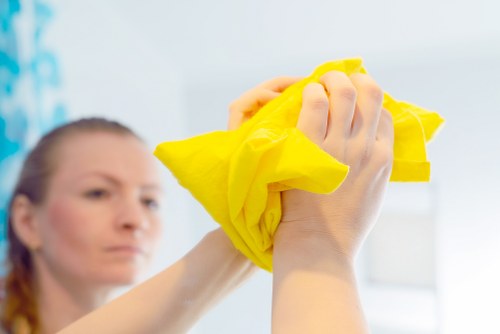
Regular maintenance is the easiest way to prevent buildup. Drying shower walls, wiping mirrors, and cleaning sink splashes each day can dramatically reduce the need for heavy stain removal later. When the problem is caught early, many bathroom stains can be handled quickly and safely.
Advanced Stain Removal Methods for Tough Spots
Some marks resist basic cleaning and require more targeted stain removal methods. Enzyme cleaners are especially useful for organic stains such as blood, sweat, urine, food, and pet accidents. These products break down the stain at a molecular level, making removal more complete.
Oxygen bleach is another helpful option for many washable fabrics and some hard surfaces. It can lift discoloration and brighten materials without the stronger effects of chlorine bleach. For many households, oxygen-based products are a reliable part of a stain removal routine because they are versatile and effective.
For ink, marker, or dye stains, rubbing alcohol or a fabric-safe solvent can sometimes lift the pigment. Apply carefully, blot repeatedly, and stop if the fabric starts to change color. Safety and fabric testing are essential when using stronger treatments in stain removal.
When to avoid strong chemicals
- On silk, wool, or other delicate fibers
- On unfinished wood
- On natural stone without label approval
- On dyed items that may bleed
- On surfaces with unknown coatings
Persistent stains may need multiple treatments, but repeated stain removal should always be balanced with the risk of wear and tear. Sometimes the best results come from a slower, safer process rather than a harsh one.
Natural Stain Removal Solutions People Use at Home
Many households prefer natural stain removal solutions because they are affordable and easy to find. White vinegar, baking soda, lemon juice, and dish soap are popular choices. Each one has strengths: vinegar can help with mineral deposits and odor, baking soda can absorb and lift, and dish soap can tackle grease.
That said, natural does not automatically mean safe for every surface. Lemon juice is acidic and can affect stone or certain metals. Vinegar can damage marble or granite finishes if used incorrectly. The key to successful stain removal is understanding the surface and choosing the right product, regardless of whether it is store-bought or homemade.
Natural solutions are often best for light to moderate stains, maintenance cleaning, and first-response treatment. For deeper or older stains, a stronger commercial product may be required. The most effective stain removal strategy often combines common household items with careful technique.
Popular natural options and their uses
- White vinegar: Helpful for odors and mineral residue
- Baking soda: Useful as an absorber and mild cleaner
- Dish soap: Effective on oils and food residue
- Hydrogen peroxide: Can assist with certain organic stains on safe fabrics
How to Prevent Stains Before They Start
The easiest stain removal is the one you never need to do. Prevention can dramatically reduce the frequency of spills and marks in the first place. In homes with children, pets, or heavy foot traffic, stain-resistant habits can save significant cleanup time.
Simple prevention strategies include using tablecloths, placemats, coasters, and protective fabric sprays where appropriate. Quick cleanups after meals and routines like removing shoes at the door can also reduce dirt and grime transfer. When stains are less likely to happen, stain removal becomes much less stressful.
Regular maintenance is another form of prevention. Vacuuming carpets, laundering linens promptly, and spot-cleaning small marks before they spread all help maintain a cleaner appearance. Preventive care is one of the smartest ways to support long-term stain removal success.
Stain Removal Mistakes That Can Make Things Worse
Even with the best intentions, a few common mistakes can make stain removal harder. One major mistake is rubbing a stain instead of blotting it. Another is using hot water too early, especially on protein stains like blood or egg. Heat can lock the stain into the fabric and make removal much more difficult.
Using too much cleaner is another problem. Excess product can leave residue, attract dirt, or damage the material. It is also a mistake to ignore care labels or test a product on an unnoticeable area first. Safe stain removal depends on restraint, not just strength.
Finally, letting the item dry before the stain is fully removed can also create problems. If a stain remains visible after washing or spot cleaning, it is often better to treat it again before drying. Once heat is applied, some stains become much harder to lift.
Common mistakes to avoid
- Rubbing instead of blotting
- Applying heat too soon
- Using the wrong cleaner for the surface
- Skipping a spot test
- Drying before confirming the stain is gone
When Professional Stain Removal Makes Sense
There are times when home methods are not enough. Large carpet spills, antique fabrics, delicate upholstery, deep dye stains, and set-in marks may benefit from professional stain removal. Experts often have commercial-grade solutions and equipment that can remove stains without causing further damage.
Professional help can also be valuable when the item is expensive, sentimental, or difficult to replace. If you have already tried several safe methods and the stain remains, a professional approach may save the item. In some cases, attempting more stain removal at home could make the problem worse.
If you are deciding whether to seek help, consider the value of the item, the age of the stain, and the surface type. Book your service now if the stain is causing ongoing damage or if you need a fast, reliable solution for a valuable surface. For stubborn cases, contact us today to take the next step toward restoring the item’s appearance.
Final Thoughts on Stain Removal
Stain removal is both a practical household skill and a smart way to protect the value of your belongings. With the right approach, many stains can be reduced or removed completely before they become permanent. The key is to act quickly, understand the stain type, and choose the safest effective method for the surface.
Whether you are treating clothing, carpet, upholstery, kitchen surfaces, or bathroom materials, thoughtful stain removal can make life easier and spaces look better. A few simple habits, along with the right cleaning products, can prevent many common problems from turning into long-term damage.
If you want cleaner fabrics, fresher surfaces, and less stress after spills, make stain removal part of your regular maintenance routine. Use the right technique, avoid common mistakes, and remember that consistent care pays off over time. Contact us today if you are ready to restore your items and keep them looking their best.