Licensing and Insurance for Harrow Cleaners: What Residents Must Know
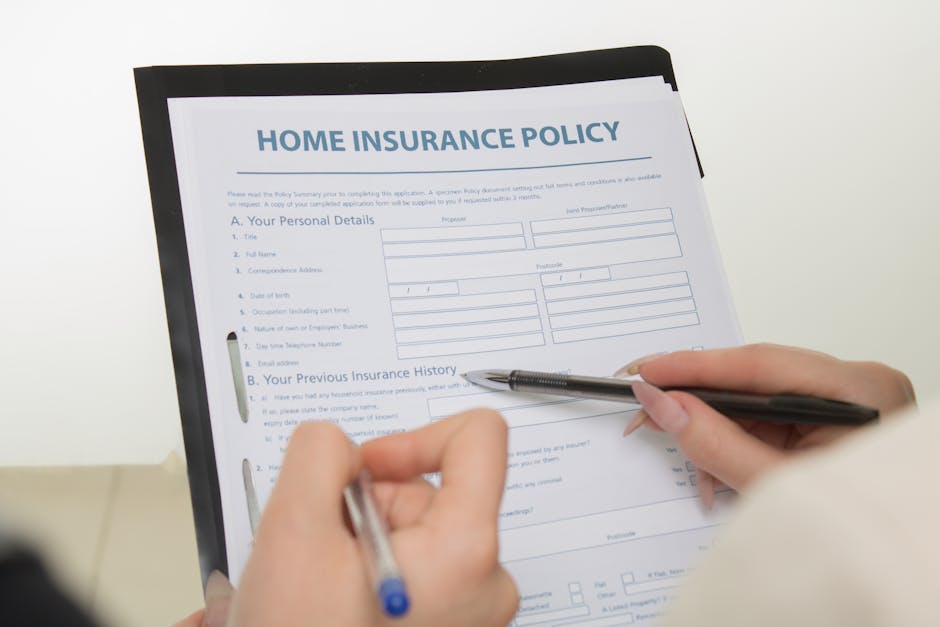
If you're booking a cleaner in Harrow, the shiny equipment and polished sales pitch are only part of the story. The real peace of mind usually comes from the less glamorous stuff: licensing, insurance, safety paperwork, and whether the company actually stands behind its work. Licensing and insurance for Harrow cleaners what residents must know is not just a box-ticking topic. It's the difference between a tidy home and a messy headache if something goes wrong.
To be fair, most residents do not spend their evenings comparing policies and certificates. You just want the carpets fresh, the sofa looking decent again, and the job done without drama. Fair enough. But if a spill, stain, slip, or accidental knock happens during the visit, you'll be glad you asked the right questions first.
This guide breaks down what "licensed" really means in cleaning, what insurance should cover, how residents in Harrow can check the basics without becoming a compliance expert, and what warning signs should make you pause. It also includes a practical checklist, a comparison table, and a few real-world examples so you can judge cleaners with confidence rather than guesswork.
Why Licensing and Insurance for Harrow Cleaners What Residents Must Know Matters
Residents usually think about cleaning results first. Will the marks come out? Will the room smell fresh by evening? Will the dried detergent leave a patchy finish? All sensible questions. But there's another layer that matters just as much: whether the cleaner is properly set up to work in your home or building, and whether you are protected if something unexpected happens.
In practical terms, insurance is there to cover risk. Licensing, where relevant, shows the business is operating in the right way for the services it offers. Together, they tell you a lot about professionalism. A cleaner who can clearly explain their cover, safety approach, and business details is usually a safer bet than one who handwaves everything away.
That matters even more in a busy area like Harrow, where homes vary from compact flats to larger family houses, and access can be tricky. A wet floor near the hallway, a parking problem outside, or a damaged rug in a rented property can turn a simple visit into a costly dispute. No one wants that on a Tuesday afternoon.
Expert summary: A trustworthy cleaner should be able to explain their insurance, describe how they work safely, and show that their paperwork matches the service they are actually offering. If they seem annoyed by basic questions, that is a signal in itself.
This is also about trust. When a company invests in the boring but necessary parts of the business, it usually reflects the care they take elsewhere too. You may notice that the best operators are often the ones who are happiest to explain their process, not the ones who promise everything in ten seconds flat.
How Licensing and Insurance for Harrow Cleaners What Residents Must Know Works
Let's separate the two ideas, because they are often lumped together and that muddles the picture.
Licensing: what it usually means in cleaning
Not every cleaning business needs a special trade licence just to clean carpets or upholstery. In the UK, the bigger practical questions are usually whether the business is properly registered, honest about its trading identity, and following the rules that apply to its activities. For residents, "licensing" is often shorthand for "is this a legitimate business?" rather than a single universal certificate.
In plain English, you want signs of a real operation: a clear business name, written terms, a proper quote, and staff who understand the job they are doing. If a cleaner works in commercial settings, different compliance expectations can apply, especially around site rules and safety procedures. That's one reason it can help to review who is behind the business before booking.
Insurance: the cover residents should expect
Insurance is the more concrete part. A cleaner working in your home or business should normally have public liability insurance. That is the cover people usually care about most, because it can help if the cleaner accidentally damages property or causes harm through the work carried out.
Depending on the company, there may also be employer's liability insurance if they have staff, and other business cover for equipment or professional risks. You do not need to memorise the policy types, thankfully. You just need to know whether the cleaner can explain what they carry and what it covers.
It also helps if the company has a clear approach to safety. A useful example is a published insurance and safety policy, which gives residents a sense of how seriously the business treats risk and responsibility.
What "proof" looks like
Proof does not have to be dramatic. A cleaner should be able to provide the insurer's name, cover type, and policy dates on request. They do not need to hand over their whole file cabinet. But they should not be vague. If the answer sounds like, "Oh yes, we're covered," and that is all you get, keep asking. Calmly. Politely. But ask.
Think of it like checking a taxi meter before you set off. You are not being difficult; you are being sensible.
Key Benefits and Practical Advantages
Why should residents bother checking all this? Because the benefits are not theoretical. They show up in real situations.
- Protection if something is damaged: If a technician spills product on a pale rug or scratches a surface while moving equipment, insurance can be the difference between a quick resolution and an awkward argument.
- More confidence in the booking: When the company can explain its safeguards clearly, you feel less like you are gambling with your home.
- Better attention to safety: Businesses that carry proper insurance usually think harder about risks, training, and job setup.
- Clearer accountability: Written terms, policies, and cover details make it easier to resolve issues fairly.
- Less stress in flats and shared buildings: In apartments, communal areas, and managed properties, residents often need a cleaner who respects building rules and keeps wet or noisy work controlled.
There is another practical advantage, and it is easy to miss: a properly run company tends to be better prepared for the dull bits. That means shoe covers, warning signs, a sensible approach to access, and better care around sockets, skirting, and delicate fabrics. Not glamorous. Very useful.
If you are booking specialist work such as steam carpet cleaning or upholstery cleaning, that preparation matters even more because moisture, heat, and delicate fibres add extra risk.
Who This Is For and When It Makes Sense
This topic matters to more people than you might think. If you are a homeowner, tenant, landlord, letting agent, or small business owner in Harrow, you have a stake in this. Different situations, same basic idea: do not let a bargain price override basic checks.
Homeowners
If you own your home, you want peace of mind that your furniture, flooring, and finishes are protected. A living room carpet, a stair runner, or a favourite sofa can be expensive to replace. Insurance and safe working practices are not optional extras in that setting; they are part of a sensible purchase.
Tenants
Tenants should be especially careful. If damage occurs, even an innocent accident can become a deposit issue. A cleaner with the right cover is less likely to leave you caught in the middle. If you are dealing with a stubborn mark or a pet accident, the service choice matters; some residents specifically need pet stain and odour removal rather than a general tidy-up.
Landlords and letting agents
For rental properties, consistency and record-keeping matter. You may need the cleaner to follow access rules, work around inventories, and provide paperwork if required. A business with clear terms and a complaints route is easier to deal with when timing is tight.
Businesses and offices
Commercial settings can bring extra expectations around risk assessment, access, and health and safety. If you are booking for a workplace, it may be worth reviewing commercial carpet cleaning alongside the company's policies and cover.
Basically, if your space would be annoying or expensive to repair, this stuff matters. That's the honest version.
Step-by-Step Guidance
If you want a practical way to vet a cleaner in Harrow, use this process. It is not complicated, just a bit more disciplined than the average "looks fine to me" approach.
- Ask what insurance they carry. Public liability is the big one to hear about. If they employ staff, ask whether employer's liability applies too.
- Request proof in simple terms. You do not need pages of legal text. Ask for confirmation of cover, dates, and the insured business name.
- Check whether their service is described clearly. A proper business will tell you what is included, what is not, and how the visit will be carried out.
- Review safety and terms. Look for a written health and safety approach and clear conditions. The health and safety policy and terms and conditions should make the company feel organised, not foggy.
- Ask how they handle accidents or complaints. If something goes wrong, what happens next? A clear complaints procedure tells you the business has thought beyond the sales call.
- Compare like for like. One quote may be cheaper because it excludes stain treatment, moving furniture, or protective measures. Another may look higher but include the things that actually matter.
- Book only when the answers are straightforward. If you have to decode every reply, that is usually not a great sign.
A small but useful detail: save screenshots or emails of the quote and key promises. In the moment, it feels a bit overcautious. Later, it feels brilliant.
Expert Tips for Better Results
Here is where the real-world judgement comes in.
Look for clarity, not charm
Some cleaners are naturally friendly and confident. Lovely. But a smooth chat is not a substitute for decent paperwork. The best companies tend to be pleasant and specific. They can answer practical questions without drifting into vague reassurances.
Match the insurance to the job
A cleaner doing light domestic work may have one type of risk profile. A team handling expensive rugs, delicate upholstery, or heavy traffic commercial carpets faces another. If you need a specialist finish, look at services like rug cleaning, sofa cleaning, or mattress cleaning and ask what steps they take for that specific material.
Ask about pre-inspection
Good cleaners often inspect stains, fabric type, and access before starting. It sounds basic, but it prevents a lot of headaches. A quick look can reveal whether a stain is surface-level, set in, or likely to react badly to water-based treatment. Truth be told, that five-minute check saves a lot of silly promises.
Notice how they talk about risk
Do they mention drying times, slip hazards, ventilation, or patch testing? That language usually comes from experience. It may not be exciting, but it is reassuring. If they work carefully on smaller spots before moving across the room, you can usually hear the difference in how they approach the job. Quiet confidence. Less sales patter.
Use payment and booking controls
A secure booking process is not the same as insurance, but it does signal a well-run business. If a company also explains its payment process clearly, check payment and security before you commit. Not because payment is the main risk, but because good operations tend to be joined up.
Common Mistakes to Avoid
Most problems happen because people assume the basics are already handled. Here are the errors that cause the most frustration.
- Choosing only on price. The cheapest option can become the most expensive if damage, poor cleaning, or a dispute follows.
- Assuming "insured" means "fully covered for anything." It usually does not. Ask what is covered and under what circumstances.
- Not checking written terms. A verbal promise is nice. A written one is much better.
- Skipping questions about access and safety. In flats or busy streets, access and setup matter more than people expect.
- Forgetting the specific service risks. Different materials need different treatment. A curtain job is not the same as a carpet job, even if the van looks similar.
- Ignoring complaint handling. If there is no clear route for resolving issues, small problems can drag on.
Another common one: people assume all cleaning companies are broadly interchangeable. They are not. Some are excellent with domestic fabrics but less structured on admin. Others are more commercial in style. Some are better with curtain cleaning or stain removal than they are with bigger restoration-style jobs. The details matter, and yes, that can be mildly annoying. Still worth it.
Tools, Resources and Recommendations
You do not need a giant folder of documents. A simple approach works best.
- Your booking email: Keep it. It should show the agreed job, price, and any special conditions.
- Photos of the area before and after: Handy if there is a dispute about pre-existing damage or stains.
- A short question list: Insurance, safety steps, drying time, moving furniture, and what happens if the cleaner spots a problem during the visit.
- Company policy pages: A business that publishes clear policies is usually easier to trust. Useful pages include recycling and sustainability for disposal habits and privacy policy for how your details are handled.
- Service pages that match the job: If you need a very specific result, read the relevant service description rather than guessing. That may be carpet cleaning, upholstery cleaning, or steam carpet cleaning.
If you prefer a smoother experience, use the company's own information pages to understand how they work before you book. The cleaner your expectations are, the fewer surprises you get. Simple, but true.
Law, Compliance, Standards, or Best Practice
Without pretending every cleaner follows an identical rulebook, there are some sensible UK expectations residents can rely on. A legitimate business should operate transparently, carry suitable insurance for the work it performs, and have reasonable safety practices for staff, customers, and property.
In domestic and commercial cleaning, best practice usually includes:
- clear written quotations and terms
- appropriate insurance for the work being done
- safe handling of equipment and chemicals
- attention to slip risks and drying times
- honest explanations of what can and cannot be achieved
- a proper way to handle complaints or disputes
If cleaners work with employees, have vehicles, or enter managed premises, the expectations rise a little. Common sense still applies. If a business is organised enough to publish its about us information and clear policy pages, that is usually a good sign that they understand the basics of operating responsibly.
And one practical note: if you are ever unsure whether a company's cover suits your situation, ask them to explain it in plain English. If the answer feels evasive, trust that feeling. It is often right.
Options, Methods, or Comparison Table
Residents often compare cleaners in a rough, intuitive way. This table turns that instinct into something more useful.
| What to compare | What good looks like | Why it matters |
|---|---|---|
| Insurance | Clear public liability cover and, where relevant, employer's liability | Protects against accidental damage or injury claims |
| Pricing | Transparent quote with inclusions and exclusions | Reduces surprise charges and awkward add-ons |
| Safety approach | Explains equipment handling, floor protection, drying time, and access care | Lowers risk in homes, flats, and workplaces |
| Complaint handling | Written process or clear contact route | Makes problems easier to resolve fairly |
| Service fit | Specific experience with the fabric or surface you need cleaned | Helps avoid poor results or damage |
A quick comparison like this is useful because it stops you getting distracted by fluff. A glossy brochure is not the same thing as a safe, insured, reliable visit. Not even close.
Case Study or Real-World Example
Imagine a Harrow resident booking an afternoon clean for a cream carpet in a rental flat. The cleaner arrives on time, but the hallway is narrow, the building entrance is awkward, and there is a recently painted wall near the stairs. Nothing dramatic, but there are several chances for things to go wrong.
A well-prepared cleaner would usually check access first, place protective measures where needed, explain drying expectations, and be careful when moving equipment. If a small mark appears on the wall or a damp patch spreads a little wider than expected, the resident wants a business that knows what to do next, not one that starts arguing in the doorway.
In a slightly different scenario, a family books sofa cleaning after a weekend spill. The cleaner spots that one cushion is more delicate than the rest and adjusts the method. That tiny decision can make the difference between a decent result and a damaged fabric. It's the sort of thing that sounds obvious only after someone has already learned it the hard way.
And honestly, many problems never happen because the cleaner is prepared, insured, and careful from the start. That is the quiet win.
Practical Checklist
Before you book, run through this list. If most of the answers are clear and confident, you are on the right track.
- Has the cleaner given a clear business name and contact method?
- Have they explained what insurance they carry?
- Do they understand the exact surface or item you want cleaned?
- Have they told you what is included in the price?
- Do they mention safety steps such as drying time, ventilation, or floor protection?
- Is there a written policy for complaints or issues?
- Have they warned you about any limitations or risks?
- Do they seem comfortable answering questions without rushing you?
- Have you kept the quote and any written promises?
- Does the service page match the job you actually need, such as carpet cleaning or rug cleaning?
Practical summary: Good cleaners make it easy to check the essentials. If you have to chase basic facts, that is usually your answer right there.
For residents who want a bit more reassurance before booking, it can also help to review how a company handles customer information and service expectations through pages like privacy policy and terms and conditions. Not thrilling reading, granted. Still worthwhile.
Conclusion
Licensing and insurance for Harrow cleaners what residents must know comes down to one simple principle: do not treat cleaning as a casual favour when the job is happening inside your home or business. Ask the plain questions, check the practical details, and choose the cleaner who can explain things clearly without making it feel like an interrogation.
That approach protects your property, reduces stress, and helps you spot businesses that are organised, careful, and worth your trust. Whether you need a one-off refresh or a more specialist job, the right checks make the whole experience smoother. And yes, a little boring due diligence now can save a lot of bother later.
Get a free quote today and see how much you can save.
In the end, the best cleaning visit is the one that leaves your room brighter, your surfaces safer, and your mind pleasantly quiet afterwards. That is the goal, really.
Frequently Asked Questions
Do cleaners in Harrow need a licence?
Not every cleaning service needs a special trade licence in the way some regulated professions do. What residents should look for is a legitimate business, clear trading details, proper paperwork, and suitable insurance for the work being done.
What insurance should a cleaner have?
Public liability insurance is the main cover residents usually want to hear about. If the business has staff, employer's liability is also important. The exact cover should match the type of service offered.
How can I check if a cleaner is insured?
Ask directly and request simple proof. A reputable cleaner should be able to confirm the insurer, policy type, and cover dates without fuss. If they avoid the question, that is not ideal.
Why does insurance matter for domestic cleaning?
Because accidents can happen. A spill, a broken item, or an unexpected mark can become expensive if the cleaner is not properly insured. Insurance gives residents a way to resolve problems fairly.
Is a cheaper cleaner less safe?
Not always, but low prices can sometimes mean limited cover, weaker processes, or fewer safeguards. It is smarter to compare what is included rather than choosing on price alone.
What should I ask before booking a cleaner?
Ask about insurance, the exact service, what is included, drying times, access needs, and complaint handling. Those five minutes of questions can save a lot of confusion later.
Do I need to worry about insurance for carpet cleaning specifically?
Yes, especially for delicate carpets, rugs, or light-coloured flooring. Water, detergent, heat, and moving equipment all carry some risk, so the cleaner's cover and process matter.
What if I live in a flat or managed building?
Then safety, access, and communication become even more important. The cleaner should understand building rules, shared spaces, and how to avoid disruption or damage in communal areas.
Should I ask for written terms?
Absolutely. Written terms help prevent disputes about price, timing, exclusions, and what happens if something goes wrong. A business with clear terms usually feels more reliable overall.
What is the difference between insurance and a guarantee?
Insurance is there to help if something goes wrong during the job. A guarantee is a promise about the result or service quality. Ideally, a good cleaner offers both sensible cover and clear service standards.
How do I compare two cleaners fairly?
Compare insurance, safety approach, written terms, price inclusions, and whether they have experience with your specific item or surface. If one cleaner explains things better, that is often the better sign.
What is the smartest first step if I am unsure?
Ask for the insurance details and read the service information carefully. If the answers are clear and the company feels organised, you are probably on safe ground. If not, keep looking. No rush. A good booking is worth a bit of patience.