South Harrow HA2 Carpet Cleaning Guide for Flats
If you live in a flat in South Harrow, carpet cleaning can feel a bit more complicated than it should. There are stairs, shared corridors, parking quirks, thin walls, drying time, and the usual "where do I put the furniture?" question. This South Harrow HA2 carpet cleaning guide for flats pulls all of that together in one practical place, so you can make a sensible choice without guessing.
Whether you're trying to freshen up a rental, deal with a spillage, get ready for the end of a tenancy, or simply keep things decent in a busy home, the basics are the same: choose the right method, prepare properly, and avoid the little mistakes that make a carpet stay damp too long or look patchy. To be fair, most carpet problems in flats are not dramatic. They're just annoying. And they usually have a fix.
In this guide, you'll learn how flat carpet cleaning works, what to expect from different methods, how to plan around neighbours and building access, and which options make the most sense in HA2. You'll also find a checklist, a comparison table, and answers to the questions people actually ask before booking.
Table of Contents
- Why South Harrow HA2 carpet cleaning guide for flats Matters
- How South Harrow HA2 carpet cleaning guide for flats Works
- Key Benefits and Practical Advantages
- Who This Is For and When It Makes Sense
- Step-by-Step Guidance
- Expert Tips for Better Results
- Common Mistakes to Avoid
- Tools, Resources and Recommendations
- Law, Compliance, Standards, or Best Practice
- Options, Methods, or Comparison Table
- Case Study or Real-World Example
- Practical Checklist
- Conclusion
- Frequently Asked Questions
Why South Harrow HA2 carpet cleaning guide for flats Matters
Carpets in flats get worked hard. That's especially true in South Harrow and the wider HA2 area, where a lot of homes are compact, shared, and lived in properly rather than just looked at. Hallways pick up grit from shoes. Living rooms collect dust and crumbs. Bedrooms trap skin flakes, odours, and the odd coffee mark. If you have pets, it gets even livelier.
The reason flat carpet cleaning matters is not only appearance. A cleaner carpet can make a small space feel fresher, lighter, and less tired. In a flat, that difference is noticeable. You walk in and smell the room before you see it. A stale carpet can quietly make the whole place feel older than it is. A properly cleaned one does the opposite.
There is also the practical side. In rental flats, carpets are often part of the handover expectation at the end of a tenancy. Even in owner-occupied flats, cleaning helps protect the fibres and stop grime from settling deep into the pile. If you leave it too long, stains become more stubborn and the carpet can start to flatten in walkways. No drama, but it adds up.
For local residents, the other issue is access. Flats need a bit more planning than houses. You may have limited parking, shared entrances, lift bookings, or time restrictions from a leasehold managing agent. That's where a local, organised approach matters. A good service should work around the building, not the other way round. If you want to understand the broader service picture, you can also review the main carpet cleaning service in Harrow and the wider services overview.
Key point: in flats, carpet cleaning is as much about timing, access, and drying as it is about stain removal.
How South Harrow HA2 carpet cleaning guide for flats Works
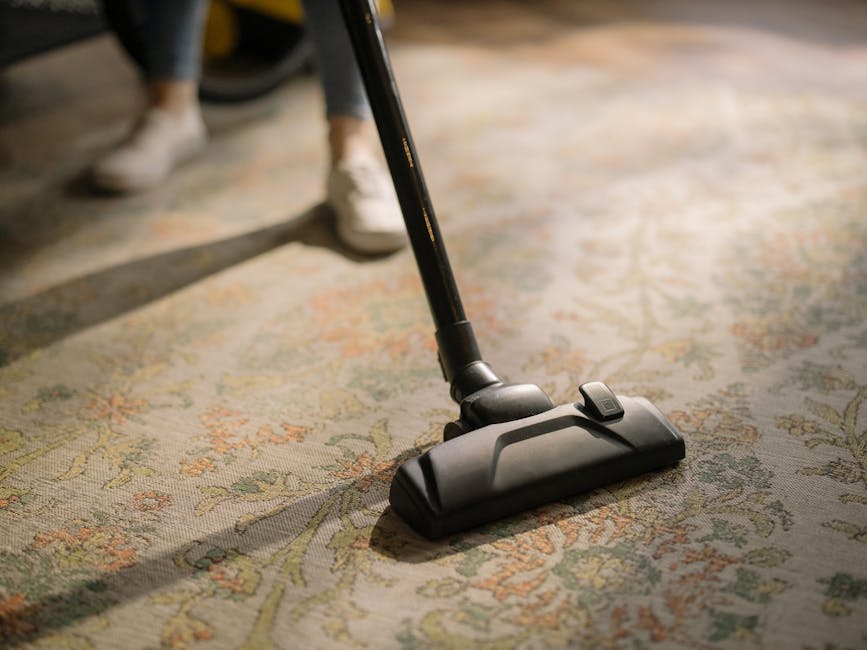
At a simple level, carpet cleaning works by loosening dirt, lifting it from the fibres, and removing it before it settles back in. The exact process depends on the method used. For flats, the most common approach is hot water extraction, sometimes called steam cleaning, although true steam is not usually what happens. A cleaning solution is applied, agitation may follow, and then the soil is extracted using a powerful machine.
That method suits many domestic carpets because it reaches deeper than basic surface cleaning. But it is not the only option. Low-moisture cleaning, encapsulation, and dry compound methods can be useful in certain flats, especially where drying time is limited or carpet construction is more delicate.
In a typical South Harrow flat, the workflow often looks like this:
- Initial inspection of the carpet type, stains, and wear patterns.
- Vacuuming to remove loose dirt and grit.
- Pre-treatment of traffic areas and visible marks.
- Agitation or light brushing where needed.
- Extraction or low-moisture cleaning.
- Post-clean grooming and drying advice.
That sounds straightforward, and mostly it is. The real skill is in choosing the right balance of moisture, chemistry, and extraction. Use too much water and a flat can feel damp for hours longer than it should. Use too little and you may only clean the surface. Finding the middle ground is the job. Easy to say, a bit less easy to do in a second-floor flat with one narrow stairwell and a very grumpy parking situation.
Professionals also look at fibre type. Wool, wool blends, and synthetic carpets all respond differently. The same treatment is not always best for each one. If you are comparing service pages, the domestic cleaning in Harrow and house cleaning options can help you see how carpet care fits into a wider home-cleaning routine.
Key Benefits and Practical Advantages
There are the obvious benefits, of course. A cleaner carpet looks better. But the more useful gains in flats are often the ones you notice after the fact.
- Improved indoor freshness: dust, odours, and trapped debris are reduced, which matters in smaller rooms where smells linger.
- Better appearance in high-traffic areas: hallways and lounge routes stop looking grey and worn so quickly.
- Longer carpet life: grit acts like sandpaper underfoot, so removing it helps the pile stay healthier for longer.
- More presentable rental property: useful for landlords, tenants, and managing agents during check-outs or periodic maintenance.
- Allergen management support: not a medical claim, just a practical point; regular cleaning can help reduce the dust build-up that many people notice.
- Better room feel: a clean carpet can make a small flat feel calmer and less cluttered. Strange how much that matters.
There is also a financial angle. Small stains are easier and cheaper to treat than old, set-in marks. A routine clean may prevent the kind of wear that makes replacement the only sensible option. That is especially relevant in flats where the carpet covers the main living area, hallway, and bedrooms all at once.
If you're trying to compare value rather than just headline price, take a look at the provider's pricing and quotes guidance and any current exclusive rates. Transparent pricing matters more than a flashy discount that turns out to be tied to hidden extras. Let's face it, nobody likes that surprise.
Who This Is For and When It Makes Sense
This guide is useful if you fall into one of a few common groups.
Tenants in flats: If you're moving out, trying to avoid disputes, or simply want the place to feel respectable again, carpet cleaning is often one of the easiest ways to improve presentation quickly.
Landlords and letting agents: In a flat, carpets can show use very fast because room sizes are smaller and footfall is concentrated. End-of-tenancy or periodic cleaning helps keep standards consistent. For that, the end of tenancy cleaning in Harrow page is a useful next step.
Owner-occupiers: Maybe the flat has been lived in for years and feels a bit dull. Maybe a child spilled juice six months ago and nobody dealt with it properly. Happens all the time.
People in shared buildings: If your building has common access routes or narrow internal stairs, professional cleaning can save a lot of lifting, wrangling, and mess.
Anyone preparing for guests or a sale: A fresh carpet creates a cleaner first impression than most people realise. If you're also thinking about local property presentation more broadly, there's some broader context in the blog article on buying houses in Harrow and the piece about Harrow property investment basics.
It makes sense to book cleaning when you notice one or more of these signs:
- heavy traffic lanes are turning dull or dark
- odours linger after vacuuming
- spills have become visible marks
- allergy season makes dust more noticeable
- you are moving in, moving out, or preparing for a viewing
One practical note: if your flat has older carpet, or you do not know the fibre type, ask for an inspection before any treatment. That small step avoids a lot of regrettable enthusiasm.
Step-by-Step Guidance
If you want the process to go smoothly, think in stages. A flat is easier to clean well when the work is planned around access, drying, and furniture movement, not just the carpet itself.
- Identify the carpet type and the problem areas. Check whether the issue is general dullness, isolated stains, pet odours, or end-of-tenancy presentation.
- Clear small furniture and loose items. Lamps, baskets, toys, and cable clutter slow the job down and get in the way of proper edge cleaning.
- Vacuum thoroughly. This removes grit and loose soil so the wet clean can focus on the embedded dirt.
- Choose the right method. Hot water extraction often suits synthetic domestic carpets, while low-moisture methods can be more practical in flats with limited drying time.
- Pre-treat traffic areas and spots. Hallways, sofa fronts, bed edges, and dining areas often need extra attention.
- Allow for proper extraction and grooming. Good cleaning is not just about washing; it's also about removing as much moisture as possible and lifting the pile afterwards.
- Plan the drying period. Keep foot traffic light, open windows if weather allows, and avoid putting furniture back too soon.
In a one-bedroom flat, the whole process can be fairly tidy and quick if planned well. In a larger purpose-built block, the same job may need a bit more coordination because equipment has to be moved in and out carefully. If the flat is part of a wider clean-up, the office cleaning page is not a direct match for homes, but it gives a sense of how structured cleaning schedules are handled when access and consistency matter. For residential work, the more relevant route is usually house cleaning in Harrow.
Quick reality check: good drying is half the job. Maybe more.
Expert Tips for Better Results
A few small decisions can make a big difference in a flat. These are the things that tend to separate a decent result from a really solid one.
- Do a proper pre-vacuum. Dry soil is easier to remove before moisture is introduced. Skipping this step is a classic mistake.
- Treat stains by category, not by guesswork. Food, drink, grease, mud, and pet messes all behave differently.
- Ask about pH and fibre compatibility. You do not need to be a chemist, but you should know the product is appropriate for the carpet.
- Protect shared areas. In blocks of flats, use covers or careful routing so hallways and landings are not marked during the job.
- Use fans if needed. A bit of air movement can help, especially where windows do not open much.
- Clean sooner rather than later. Fresh marks are usually far easier to remove than old ones that have been walked into the pile.
Here's a simple rule of thumb: if the carpet has a smell, a stain, and a visible traffic lane, it probably needs more than just a quick vacuum. That sounds obvious, but people often wait because the issue is "not that bad yet". Then it quietly becomes that bad.
Another useful tip is to think about the flat's layout. A narrow living room, a short hall, and two bedrooms may all need different attention. In the lounge, the sofa area might be the main target. In the hall, it might be the edge lines and the centre path. In bedrooms, look near beds and wardrobes, where dust and body oils build up over time.
If you'd like more background about the company and its approach, the about us page is worth a look. For trust and reassurance around site visits and equipment handling, the insurance and safety information is also relevant.
Common Mistakes to Avoid
Most carpet-cleaning problems in flats come from rushing. Not all of them, but a lot. Here are the common ones to watch for.
- Using too much water: this can leave carpets soggy and delay drying, especially in flats with limited airflow.
- Scrubbing stains aggressively: that often spreads the mark or damages the pile.
- Ignoring hidden dirt: the areas under furniture and beside skirting boards are often the dirtiest parts.
- Booking without checking access: no parking plan, no lift info, no slot for equipment movement - and suddenly the day gets messy.
- Putting furniture back too early: damp legs can leave stains or pressure marks.
- Choosing the cheapest option without reading what is included: sometimes the quote covers only a basic clean, not spot work or stair access.
A less obvious mistake is failing to ask about drying expectations. Some methods are perfectly safe and effective, but if you need the room usable by evening, that should shape the decision. The right method for a family flat is not always the same as the right method for a rental that is empty between tenants.
If your home has upholstery that shares the same room as the carpet, it may be sensible to clean both together. The upholstery cleaning in Harrow page can help if sofas, dining chairs, or armchairs need attention too.
Tools, Resources and Recommendations
You do not need a warehouse of kit to keep a flat's carpets in decent shape. A few well-chosen tools make the maintenance easier between professional visits.
| Tool or Resource | Best Use | Why It Helps in Flats |
|---|---|---|
| Vacuum with adjustable height | Weekly maintenance | Helps lift dirt from different pile heights without overworking the carpet |
| Microfibre cloths | Spot-blotting fresh spills | Useful for quick action before a stain settles |
| Gentle spot-cleaner approved for carpet | Small localised marks | Better than random household sprays that may leave residue |
| Portable fan | Drying after cleaning | Helps reduce moisture build-up where windows are limited |
| Professional inspection | Before booking | Confirms fibre type, stain risk, and the most suitable method |
For readers who want a broader local context, the blog posts on local advice for Harrow and exploring hidden Harrow offer a useful feel for the area, while unwinding in Harrow gives a sense of the local pace of life. That may sound unrelated, but local routines do shape how often people clean, when they book, and what they expect from service windows.
For booking and policy details, it also helps to review payment and security, terms and conditions, and the site's privacy policy. Not glamorous, perhaps, but useful.
Law, Compliance, Standards, or Best Practice
For carpet cleaning in flats, the most relevant compliance issues are usually practical rather than heavily regulated. You are generally dealing with leasehold rules, building access arrangements, health and safety, and the normal expectation that any work should be carried out carefully and without causing avoidable mess or disruption.
If you live in a managed block, check whether there are building rules about:
- booking lifts or loading bays
- parking for service vehicles
- noise or access windows
- protecting common hallways and entrances
- water use or drainage precautions in shared spaces
Best practice also means asking sensible questions before work starts. Is the service insured? What happens if a stain cannot be removed fully? How is furniture protected? What drying advice is provided? These are basic questions, but they matter. A professional cleaner should be able to answer them clearly, without making a meal of it.
Good providers usually also have clear policies around safety and complaints. If you want to see how that looks in practice, the pages on health and safety policy, complaints procedure, and accessibility statement are useful trust signals. For a company overview of service coverage and standards, the main services overview brings things together neatly.
One thing to remember: compliance in a flat often depends on common sense as much as paperwork. Keep communal areas clean, avoid blocking corridors, and leave the property in a better state than you found it. Sounds obvious. Still worth saying.
Options, Methods, or Comparison Table
Different flat carpets need different approaches. If you are deciding between methods, the table below gives a practical overview.
| Method | Best For | Pros | Watch Outs |
|---|---|---|---|
| Hot water extraction | General domestic carpets, deeper soil removal | Strong cleaning power, good for traffic lanes and most stains | Needs sensible drying time and careful moisture control |
| Low-moisture cleaning | Flats with limited drying time or light-to-moderate soil | Quicker turnaround, less water in the carpet | May not be ideal for heavy contamination or stubborn deep marks |
| Encapsulation | Maintenance cleaning and commercial-style upkeep | Fast drying and useful for regular upkeep | May be less suited to heavily soiled domestic carpets |
| Dry compound cleaning | Delicate situations or moisture-sensitive settings | Very low moisture, quick return to use | Can be less thorough for some embedded dirt |
So which one should you choose? If the flat is lived in, the carpet is reasonably standard, and you want the most complete clean, hot water extraction is often the first option to discuss. If drying time is the main concern, low-moisture methods may be better. If you are not sure, ask for a quick assessment rather than choosing blind.
And if the flat is part of a mixed-use building or you are comparing recurring maintenance options, it may help to look at related service pages such as domestic cleaning and office cleaning to understand the difference between periodic deep cleans and routine upkeep.
Case Study or Real-World Example
Here's a realistic example. A South Harrow tenant in a two-bedroom flat notices the lounge carpet has gone flat along the walkway from the hallway to the sofa. There are a few coffee rings near the armchair, a dusty edge by the skirting, and a faint smell that becomes obvious whenever the windows are shut on a damp evening. Nothing dramatic. Just enough to feel a bit fed up with it.
The tenant clears side tables, checks with the managing agent about access times, and books a carpet clean for a weekday morning. The cleaner inspects the carpet, spots that the fibre is a standard synthetic blend, pre-treats the marks, and uses a moisture-controlled cleaning method. The room is left with the pile lifted and the traffic lane lighter. By later that day, with a window ajar and a bit of air movement, the carpet is already much more usable.
What made the difference?
- the tenant did not leave the stain until it was old and stubborn
- access was planned in advance, so the visit ran smoothly
- the cleaner chose a method suited to a flat, not just a generic one-size-fits-all approach
- drying advice was followed properly
That's the sort of real-world result people want. Not magic. Just a careful job done well. If you are looking for a straightforward route into booking, the main carpet cleaners Harrow page is the best place to start the conversation.
Practical Checklist
Use this checklist before your flat carpet cleaning appointment.
- Vacuum the area if you are able to do so before the visit.
- Move small items, toys, and loose cables out of the way.
- Identify any stains you want treated.
- Check whether your building has access or parking restrictions.
- Ask what method will be used and why it suits your carpet.
- Confirm expected drying time.
- Ask about insurance, safety, and what happens if a mark does not lift fully.
- Keep pets and children away from damp carpet until it is ready.
- Plan where furniture will go once the carpet is dry.
- Open windows where practical, especially if the weather is mild.
Expert summary: the best carpet cleaning results in South Harrow flats usually come from a decent method, clear access, proper drying, and realistic expectations. That combination sounds plain, but it works.
Get a free quote today and see how much you can save.
Conclusion
Cleaning the carpets in a South Harrow flat does not need to become a whole project. With the right method, a little preparation, and a sensible eye on access and drying, the job can be straightforward and very worthwhile. Fresh carpets make flats feel cleaner, calmer, and better cared for - and in a compact home, that feeling counts for a lot.
Whether you are a tenant preparing to move, a landlord trying to keep standards up, or a resident who just wants the place to feel better underfoot, the key is to choose a carpet cleaning approach that suits flat living rather than fighting against it. Small space, shared access, busy lives. We get it.
And honestly, when a room smells clean and the pile lifts back up after years of daily traffic, it's one of those quiet wins that makes the home feel good again.
Frequently Asked Questions
How often should carpets in a South Harrow flat be cleaned?
It depends on foot traffic, pets, children, and whether the flat is rented or owner-occupied. Many people find that a deeper clean every 6 to 12 months works well, with regular vacuuming in between.
What is the best carpet cleaning method for flats?
Hot water extraction is often a strong choice for most domestic carpets, but low-moisture methods can be better if drying time is tight or the building layout makes long drying periods awkward.
How long does carpet cleaning take in a flat?
A small flat may take just a few hours, while larger flats or heavily soiled carpets can take longer. Drying time is separate and depends on the method, ventilation, and carpet thickness.
Will the carpet be dry by the end of the day?
Sometimes yes, sometimes not fully. It depends on the cleaning method, airflow, and weather. If same-day use matters, say so before booking so the right approach can be chosen.
Can carpet cleaning remove old stains?
Often it can improve them a lot, but not every old stain disappears completely. Age, fibre type, previous DIY treatments, and what caused the stain all affect the result.
Is carpet cleaning noisy in a flat?
There is some machine noise, but it is usually not excessive. In blocks with shared walls, it is polite to choose sensible times and let neighbours know if access might be affected.
Do I need to move all the furniture first?
Not always. Many jobs involve moving smaller items and working around larger furniture where appropriate. Ask in advance what should be cleared so there are no surprises on the day.
Is professional carpet cleaning worth it for a rental flat?
Usually yes, especially at the end of a tenancy or after heavy use. It can improve presentation, reduce disputes, and help the flat feel ready for inspection or reoccupation.
Are there any rules about carpet cleaning in leasehold flats?
There may be building-specific rules about access, parking, lifts, or shared areas. Check your leaseholder or managing agent guidance if you are unsure, especially in larger blocks.
Can carpet cleaning help with pet odours?
It can help significantly, provided the source of the odour is in the carpet or underlay and the treatment is suitable. Sometimes more than one visit or an odour-specific treatment is needed.
Should I choose carpet cleaning before or after other cleaning in the flat?
Usually carpet cleaning comes after dusting and general surface cleaning, but before the final tidy-up. That way, any loosened dust or marks can be dealt with afterwards, and the rooms finish properly.
How do I get the best quote for carpet cleaning in South Harrow HA2?
Give accurate room sizes, note the carpet type if you know it, mention stains or pet issues, and explain access details. Clear information tends to lead to a more reliable quote and fewer awkward extras later.